Direct Verdict: Economic development is broader than economic growth; it refers to a sustained improvement in income, productivity, living standards, employment, and the overall economic and social well-being of people.
Meaning of Economic Development
Economic development refers to the process through which an economy experiences a sustained increase in the production of goods and services along with improvements in the standard of living, employment, education, health, productivity, and distribution of income.
Economic development is therefore not limited to an increase in national income. It also involves structural and qualitative changes in the economy.
For example, if a country’s GDP increases but poverty, unemployment, illiteracy, and poor healthcare remain unchanged, economic growth has occurred, but the improvement in economic development may be limited.
Economic Growth vs Economic Development
| Economic Growth | Economic Development |
|---|---|
| Mainly concerned with increase in output and income | Includes increase in income plus improvement in quality of life |
| Mainly quantitative | Both quantitative and qualitative |
| Narrower concept | Broader concept |
| Measured mainly through GDP/GNP and related indicators | Includes income, health, education, employment, poverty, inequality, etc. |
Determinants of Economic Development
Several factors determine the pace and level of economic development.
1. Natural Resources
Natural resources such as land, water, forests, minerals, and energy resources provide the basic foundation for economic activity. Proper utilisation of these resources can increase production, employment, and government revenue.
However, natural resources alone do not guarantee development. Their effective utilisation depends on technology, capital, institutions, and human skills.
2. Human Capital
Human capital refers to the knowledge, education, skills, training, and health of people.
An educated and skilled population is generally more productive and better able to use modern technology. Investment in education, healthcare, and vocational training therefore contributes significantly to development.
3. Capital Formation
Capital formation means increasing the stock of productive assets such as machines, factories, transport facilities, buildings, and infrastructure.
Higher investment can increase productive capacity, employment, and productivity. Developing economies therefore require adequate savings and investment for sustained development.
4. Technological Development
Technology increases productivity and allows resources to be used more efficiently. Improvements in agriculture, manufacturing, communication, transport, and digital technology can reduce production costs and increase output.
Technological progress is therefore an important determinant of long-term development.
5. Infrastructure
Infrastructure includes both economic and social infrastructure.
Economic infrastructure includes:
- Roads and railways
- Electricity
- Ports
- Communication
- Banking and financial facilities
Social infrastructure includes:
- Schools
- Hospitals
- Public health facilities
- Training institutions
Good infrastructure facilitates production, trade, investment, and employment.
6. Entrepreneurship
Entrepreneurs organise land, labour, capital, and technology and take business risks. They introduce new products, production methods, businesses, and markets.
A strong entrepreneurial environment can encourage investment, innovation, and employment.
7. Political and Economic Stability
Stable political and economic conditions encourage people and businesses to invest. Political instability, conflict, corruption, and unpredictable policies can discourage investment and slow development.
Effective institutions and predictable laws are therefore important.
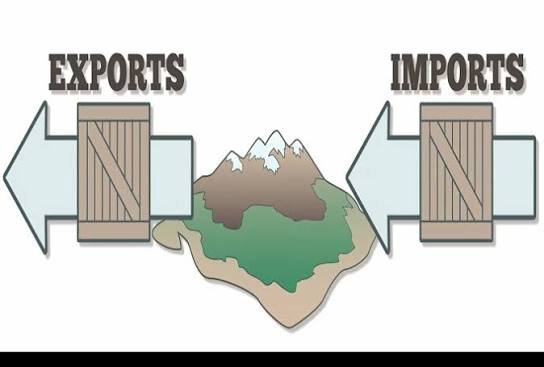
8. Market Size and International Trade
A larger market allows firms to produce on a larger scale and benefit from economies of scale. International trade can also provide access to larger markets, foreign technology, capital, and specialised goods.
9. Government Policies
Government policies regarding taxation, education, infrastructure, investment, trade, employment, and social welfare can strongly influence development.
Effective policies can encourage productive investment and reduce poverty and inequality.
10. Social Factors
Social attitudes, cultural practices, gender equality, population characteristics, and social institutions can also affect development. Greater participation of people in education and employment can expand the productive capacity of an economy.
Conclusion
Economic development is a long-term process of improving both the productive capacity of an economy and the quality of life of its people. Its major determinants include natural resources, human capital, capital formation, technology, infrastructure, entrepreneurship, political stability, trade, government policies, and social factors. These factors interact with one another, so development generally cannot be explained by a single determinant.